June 12, 2026
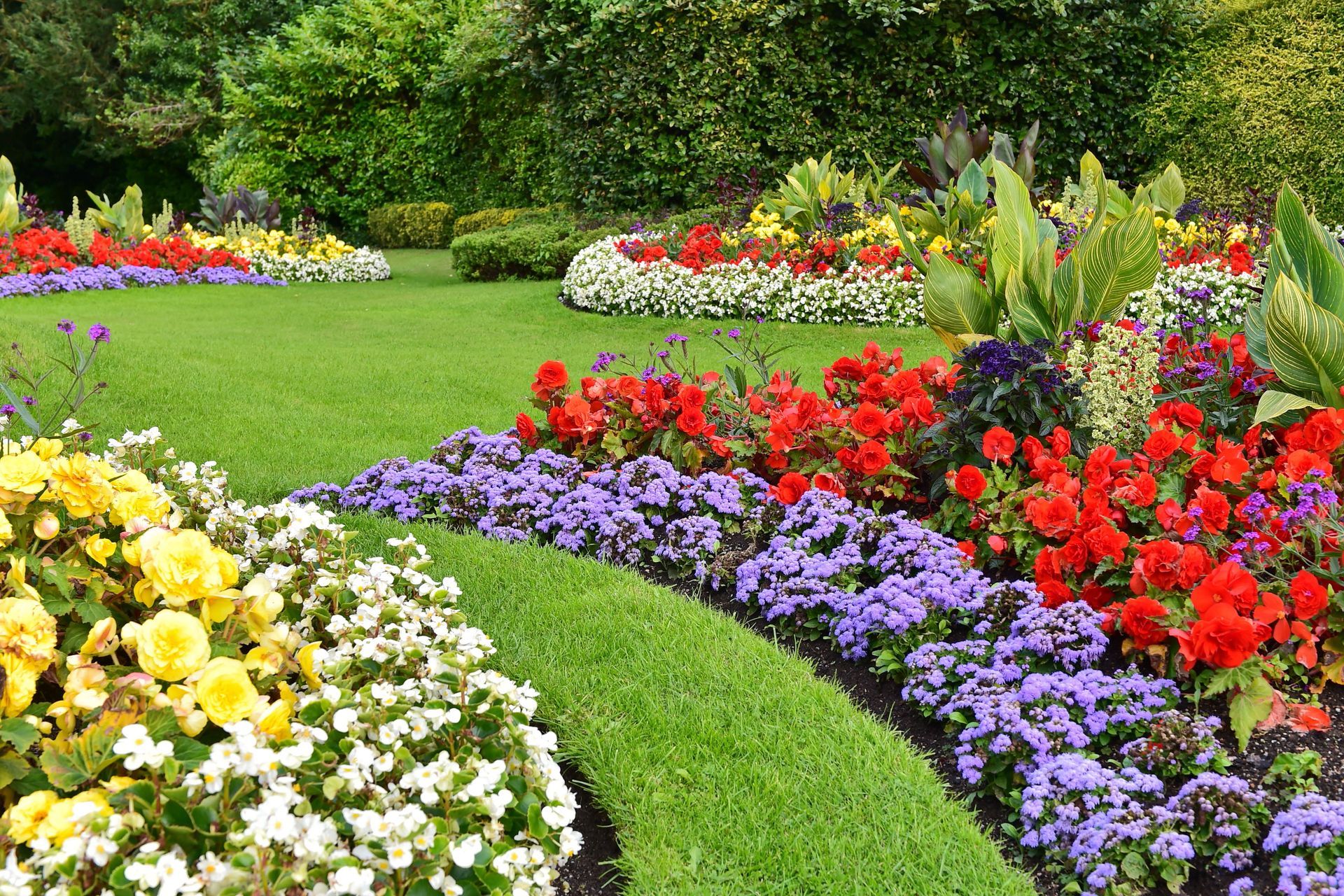
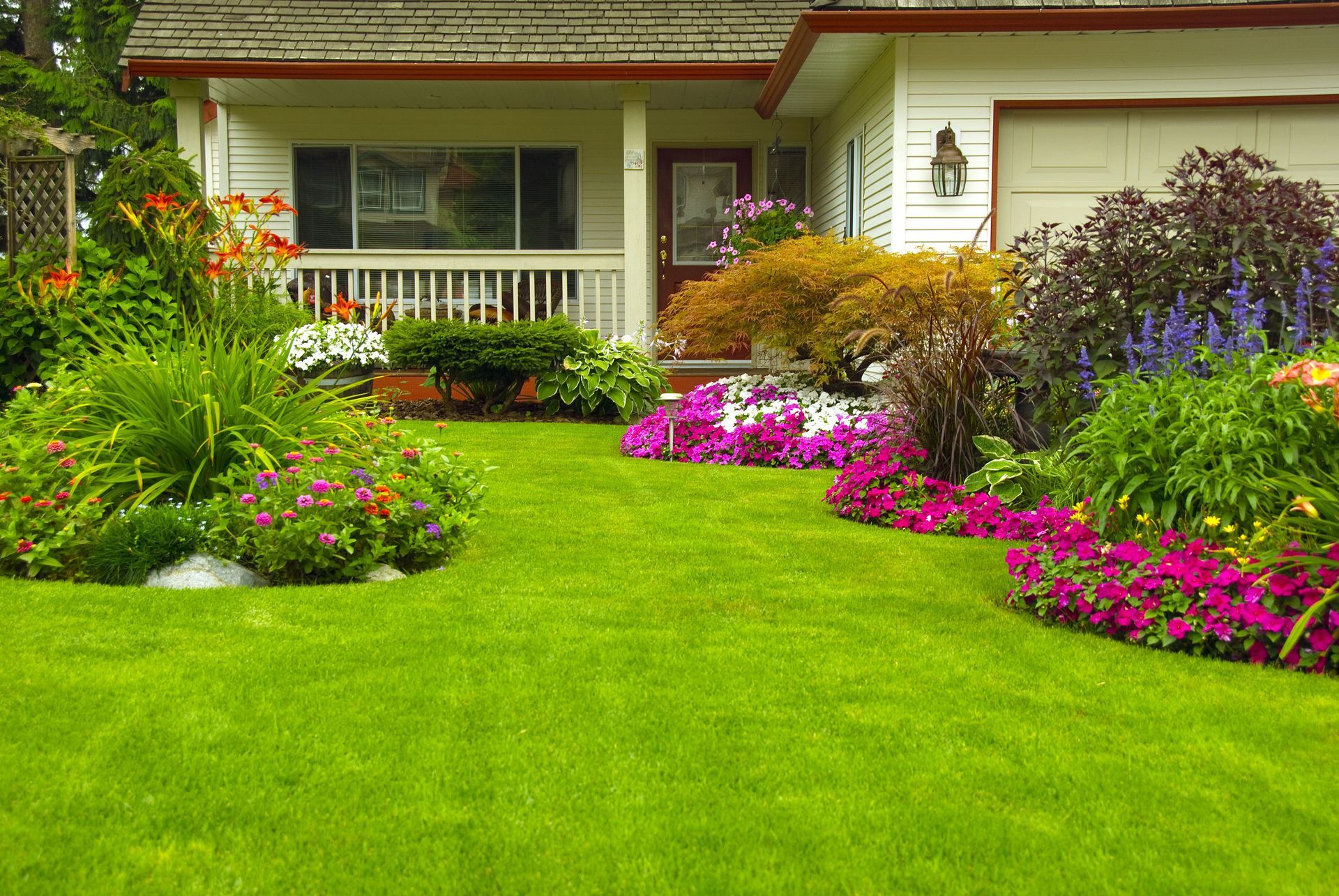
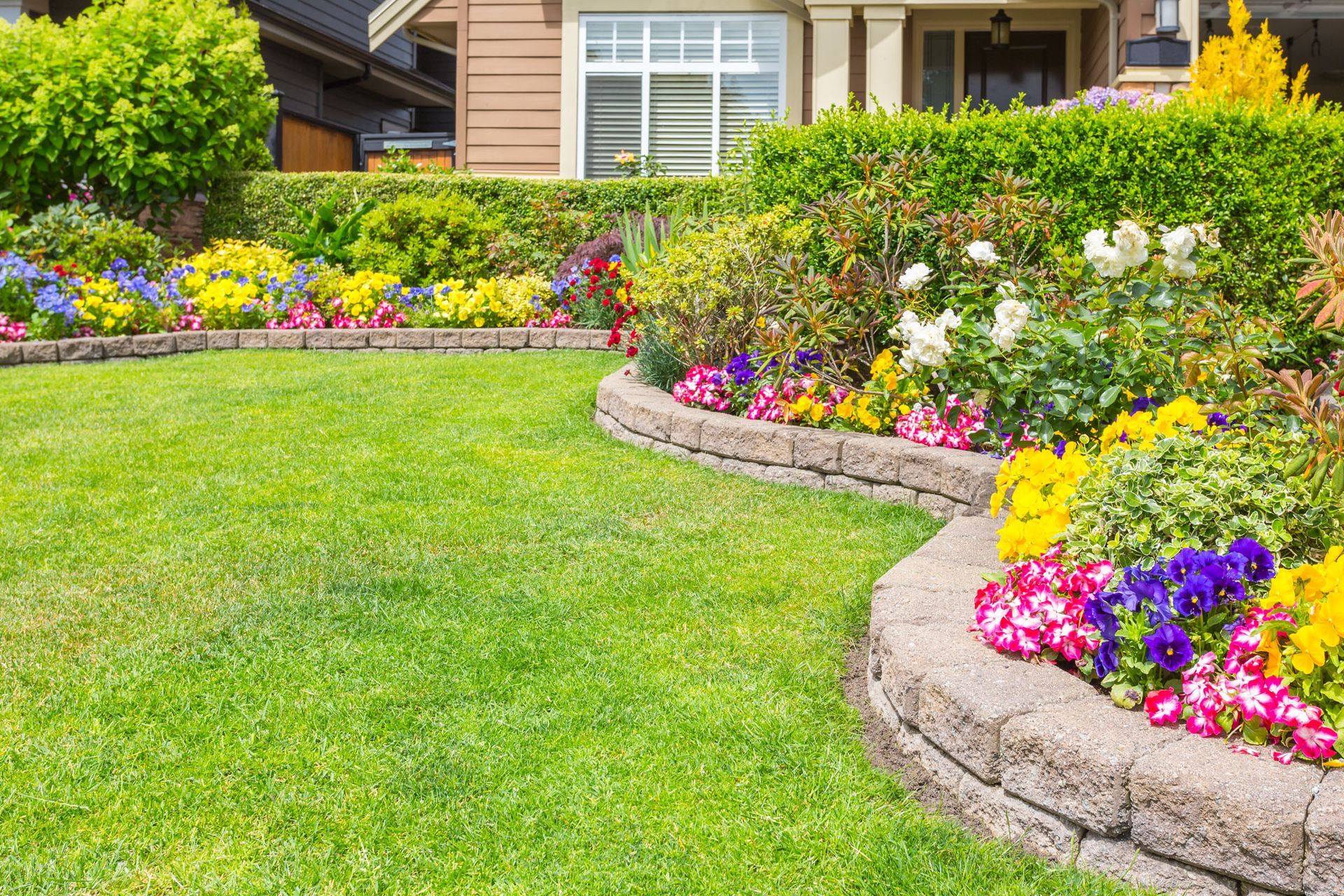
Establishing the ideal depth for your garden beds is a fundamental aspect of successful landscaping that influences plant health, soil moisture retention, and root development. Several factors impact this critical decision, including the specific types of flora you wish to grow, your geographic location, and the natural quality of the soil available on your property. By carefully selecting and maintaining your bed depth, we can ensure that your plants thrive and your property remains as beautiful and productive as possible. This guide will explore the key structural considerations and expert guidelines for determining the perfect garden bed depth for your outdoor spaces.
Understanding Garden Bed Requirements
The depth of a garden bed is crucial because it defines the growing space for root systems. Deep beds allow roots to explore more space, providing better access to nutrients and moisture. This directly impacts the health and vigor of the plants, enabling them to achieve their maximum growth potential. Shallow beds, on the other hand, can limit root development, making plants more susceptible to drought and nutrient deficiencies. Therefore, understanding the requirements for different types of garden beds can lead to more fruitful and disease-resistant plants.
Choosing the correct depth also aids in soil aeration. Well-aerated soil promotes healthy microbial activity, which is essential for breaking down organic matter and releasing nutrients that plants can easily absorb. Proper depth furthermore supports the physical structure of the garden bed, helping to prevent issues such as erosion and compaction. Therefore, we must carefully analyze the ideal depth, taking into account the type of plants, the climate, and other environmental factors. This consideration is key to maintaining a vibrant and healthy garden year-round.
Gardeners often ignore the importance of depth, which can lead to common but avoidable mistakes. For instance, some may underestimate the depth necessary for root expansion, thinking that a shallow bed would suffice for all plant types. This misconception often results in poor plant performance and wasted effort. Additionally, incorrect depth can lead to waterlogging or inadequate drainage, further stressing the plants. By understanding the reasons depth matters, we can make informed decisions that benefit the overall health of the garden.
Soil Considerations and Amendments
Soil type is a vital factor influencing the required depth of garden beds. Sandy soils, characterized by large particles and excellent drainage, may necessitate deeper beds to retain sufficient moisture and nutrients. This contrasts with clayey soils, which have a high moisture retention capacity but may require a shallower depth to prevent waterlogging. Loam, considered ideal for gardening, offers a balanced composition of sand, silt, and clay, supporting various depths and plant types. Understanding these distinctions helps optimize soil management strategies for healthier gardens.
Different soil types also impact the ease with which roots penetrate and establish themselves. Sandy soil's loose structure facilitates root expansion, allowing deeper beds to enable unrestricted growth. Conversely, compact clay soil can restrict root development, necessitating amendments to enhance permeability before determining bed depth. Soil testing ensures accurate knowledge of the native soil type, aiding in informed decision-making processes. With this understanding, we are better equipped to tailor effective growing environments.
Additional considerations include the soil's nutrient content and susceptibility to compaction. Nutrient-rich soil might support less depth, whereas nutrient-poor soil may require deeper, amended beds to accommodate added nutrients and organic matter. Compaction, often stemming from heavy machinery or foot traffic, restricts root development, further necessitating deeper bed installation. Addressing these aspects through thoughtful planning and monitoring ensures that the chosen bed depth fosters optimal plant growth. These practices ultimately contribute to productive and sustainable gardening systems.
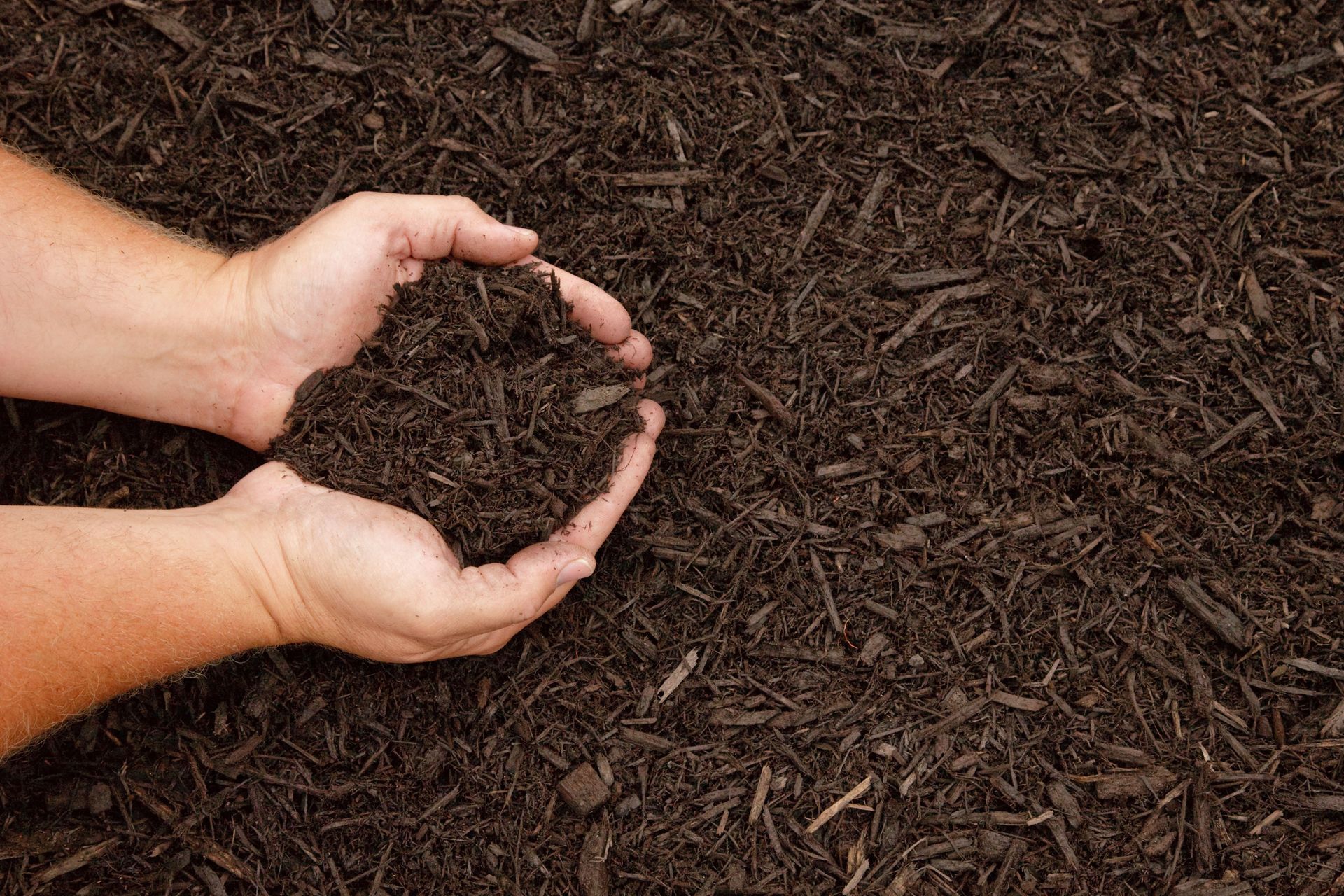
Additionally, mulching adds a protective layer to preserve soil quality and optimize depth by minimizing erosion and regulating soil temperature. According to Home Advisor, the recommended mulch depth is between two and three inches, which successfully prevents rapid evaporation and inhibits weed growth. For large residential projects, securing a reliable bulk mulch delivery ensures that you have enough material to maintain these critical layers across all your beds. Ensuring the mulch depth aligns with regional climatic needs maintains ideal soil conditions for the plant's benefit. By emphasizing soil quality improvement, we establish robust, adaptable ecosystems reflective of broader sustainability practices.
Amending soil composition facilitates the tailored optimization of bed depth relevant to plant needs. Adding sand enhances drainage and aeration in compact, clay-heavy soils, while clay or silt supplements moisture retention in sandy soils. When dealing with vast landscape transformations, scheduling a timely mulch delivery can save immense time while you focus on balancing these underlying earth layers. Incorporating organic materials, like compost, further enhances nutrient availability, promoting an ecosystem robust enough to satisfy intricate plant needs. These considerations emphasize the importance of nuanced soil management in achieving effective depth practices.
Amending soil is a strategic method to enhance depth relevance, improving conditions for root proliferation and plant health. Effective amendment involves integrating organic and inorganic materials tailored to the specific needs of the native soil and intended plants. Organizing a prompt mulch delivery can be the perfect final step after mixing these deep amendments into your garden layout. Selecting the appropriate amendments can significantly impact depth and plant growth outcomes.
In addition to organic materials, inorganic amendments can also modify soil depth properties. Adding perlite or vermiculite enhances soil aeration and drainage, transforming compacted or heavy soils into more accommodating substrates. These amendments support root development and nutrient delivery as there exists an increased potential for root expansion, promoting deeper bed depth applications. Evaluating amendment choices assists us in constructing depth-maintaining environments for optimal plant health.
Tailored amendment plans, designed through the analysis of existing soil conditions, ensure the successful application of depth-centric strategies. Regular soil testing guides corrective actions and facilitates targeted improvement efforts. To simplify large-scale garden renovations, arranging a professional mulch delivery helps complete the project efficiently without multiple trips to a retail store. By persistently monitoring and adjusting soil amendments, we can optimize bed depth, providing the foundation for resilient and thriving plant ecosystems. This adaptability highlights the continual evolution of soil management practices toward enhanced gardening success.
Plant-Specific Depth Requirements
Incorporating depth-adjusted strategies tailored to companion planting principles further enhances vegetable gardening success. Recognizing symbiotic relationships between plant species facilitates shared soil resources, preventing nutrient depletion and promoting beneficial interactions. Coordinating a bulk mulch delivery can keep your companion beds perfectly insulated and uniform in appearance. Pairing plants with complementary depth needs and growth dynamics maximizes bed occupancy and encourages natural growth, supporting prospering systems. Through thoughtful organization and layout design, we can harness depth distinctions to cultivate abundant and harmonious vegetable gardens.
Annuals and perennials present distinct depth needs dictated by growth habits and lifecycle considerations. Annual plants, completing their life cycle within one growing season, often exhibit rapid growth rates necessitating consistent nutrient access. Ensuring sufficient depth accommodates the root expansion essential for vigorous growth and flowering. Ordering an annual mulch delivery provides a fresh layer of protection that matches the quick turnover of these seasonal display beds. In contrast, perennials, marked by longer lifecycles, typically possess extensive root systems requiring deeper soil levels for sustained nutrition. Understanding these differences offers guidance in determining the appropriate depth for various garden applications.
Achieving the perfect depth for your garden beds is the ultimate secret to unlocking a lush, vibrant landscape that flourishes season after season. By carefully evaluating your soil structure, understanding individual plant root requirements, and maintaining the ideal protective layers, you establish a resilient foundation for your entire yard. We provide premier residential and commercial mulch solutions throughout the Toledo, Ohio area, offering everything from soil preparation services and garden renovation services to decorative stone, landscaping, and gravel driveway installation. Our dedicated team is open seven days a week, all year round, providing free estimates and discounted pricing for contractors to make your next project seamless. When you are ready to elevate your outdoor space with the highest quality materials, contact The Mulch King LLC to schedule your professional mulch delivery and transform your property today.