August 13, 2026
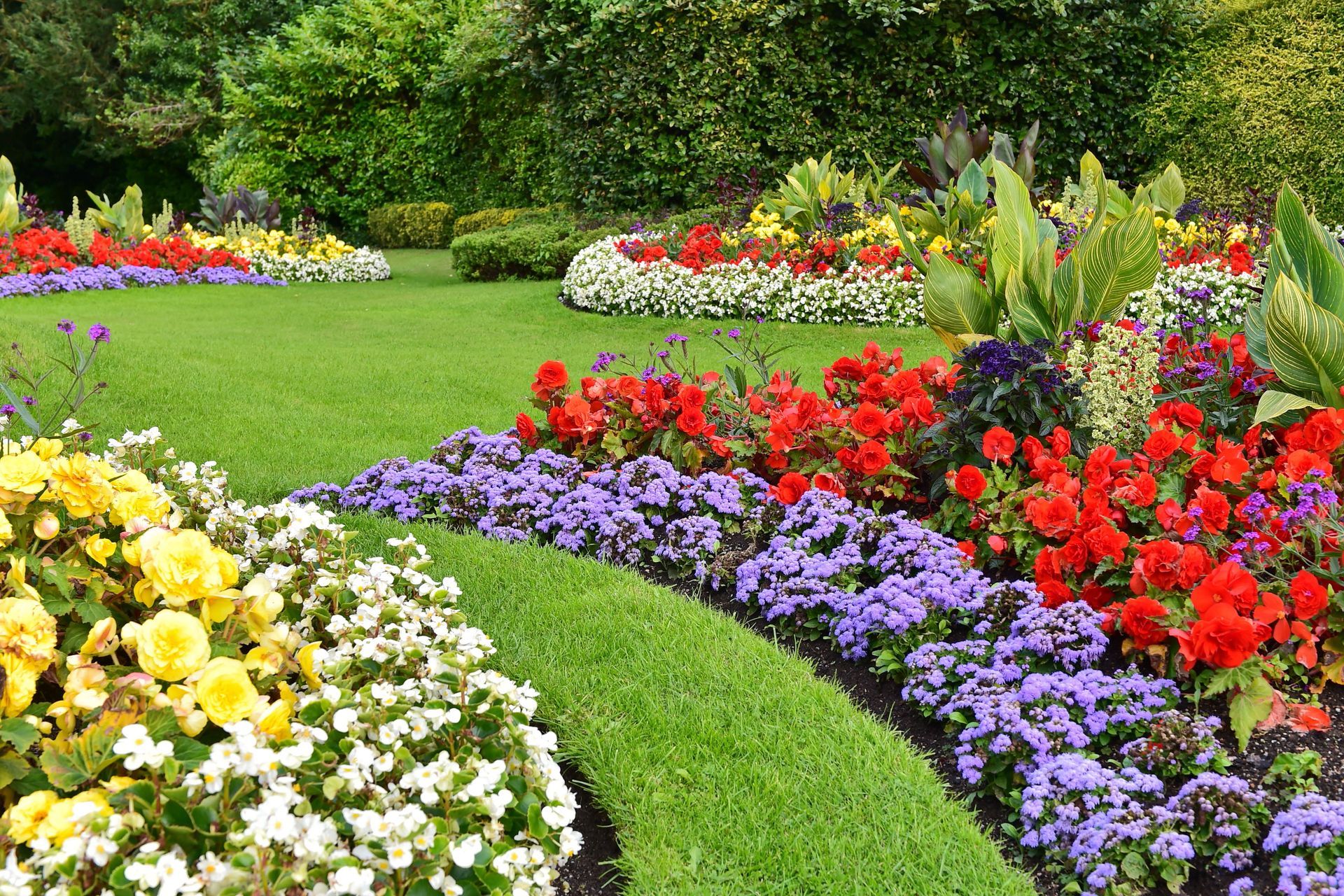
Amidst the hustle and bustle of modern life, a quiet revolution is taking root right in our backyards—home gardening. With origins in ancient agricultural practices, home gardening has become a symbol of self-reliance and a refuge for those seeking sustainability, leisure, and wellness. Incorporating thoughtful landscaping techniques allows homeowners to seamlessly integrate edible gardens into visually stunning outdoor environments. As more individuals turn to cultivating their own food, acknowledging this trend’s impact on modern living becomes increasingly essential.
Over the past three years, the number of households engaged in gardening activities has increased by 15%, according to Global Growth Insights. This statistic reflects a growing trend towards self-sufficiency and a collective yearning for a sustainable and fulfilling lifestyle. Let’s delve into the historical context and unfolding contemporary implications of home gardening, shedding light on its enduring legacy and evolving significance.
Historical Context of Home Gardening
Evolution of Early Agricultural Practices
Home gardening stands on the shoulders of ancient agricultural traditions, where communities relied on cultivating the land to sustain themselves. In early civilizations, gardening was integral to daily life, providing not only sustenance but also medicinal herbs and aesthetic enjoyment. It was a way of life deeply embedded in cultural and spiritual practices, offering a connection to the earth unmatched by modern conveniences. Over centuries, these practices have evolved, yet the core of self-sufficiency and connection to nature remains inherent in home gardening. This time-honored tradition has passed down through generations, continuing to inspire today's garden enthusiasts to nurture not only plants but also a sustainable way of living.
Mobilization of Victory Gardens During World War II
The Victory Gardens of World War II stand as a testament to the power of collective action and individual resolve in times of need. Amidst global conflict, families across the United States and the UK transformed their yards into productive vegetable plots, dubbed Victory Gardens, to support the war effort and counter food shortages. Integrating residential landscaping with food production allowed citizens to maximize output in small spaces. These gardens significantly contributed to the food supply, demonstrating the potential of collective gardening to fortify supply chains and ensure resource availability. The movement was not just about production; it was a morale booster, uniting communities under a shared purpose and fostering a sense of contribution to the greater good. Victory Gardens exemplified a generation’s resilience, showcasing the potential of home gardening to address larger societal challenges.
Impact of Post-War Industrialization and Urbanization
Following World War II, a wave of industrialization and urbanization swept through society, altering the landscape of food production and consumption. The focus shifted from self-sustained gardening to an increasing reliance on mass-produced foods, driven by advancements in technology and transportation. This era marked the rise of supermarkets and convenience foods, ushering in a cultural shift away from homegrown produce. However, as the scale of food production increased, so did the detachment between consumers and the origins of their food. For many, the convenience of packaged goods overshadowed the tangible rewards of cultivating one's own garden.
Resurgence in the Back-to-the-Land Movement of the 1960s and 70s
The 1960s and 70s saw a cultural shift as individuals began to question the values and structures of modern industrial society, giving rise to the Back-to-the-Land Movement. This movement championed a return to self-sufficient living, emphasizing the importance of sustainable agriculture and living in harmony with nature. Inspired by environmentalism and an ethos of simplicity, many sought refuge in rural areas, cultivating homesteads and reviving traditional gardening practices. This period marked a resurgence of interest in organic farming, permaculture, and the preservation of heirloom seeds, laying the groundwork for today’s gardening renaissance. It was a pioneering moment that transformed gardening from a forgotten tradition into a path for environmental activism and personal fulfillment.
Economic Impacts of Home Gardening
Realization of Cost Savings on Food
One of the most immediate economic benefits of home gardening is the potential for significant cost savings on food. By cultivating fruits and vegetables in their gardens, families can reduce grocery expenses substantially, particularly for high-priced organic produce. Effective residential landscaping strategies ensure that garden beds yield maximum output while maintaining neat aesthetic boundaries. This personal production enables households to invest those savings into other areas, enhancing financial stability. Gardening also lessens dependence on fluctuating market prices, providing a consistent supply of fresh produce irrespective of economic instabilities. Furthermore, homegrown food often surpasses store-bought alternatives in quality and taste, offering a rewarding return on investment both nutritionally and financially.
Activation of Home Gardens Fueling Local Economies
Beyond individual cost savings, home gardening plays a pivotal role in fueling local economies. The resurgence of personal and community gardens has bolstered farmers' markets and community-supported agriculture (CSA) initiatives, providing local vendors with increased business opportunities. Combining home food plots with functional outdoor landscaping increases overall neighborhood curb appeal and property values. This shift supports small-scale farmers and local artisans, strengthening economic networks within communities. Home gardens contribute to the development and sustainability of these markets, which offer an alternative to industrialized food systems. By participating in local exchanges, gardeners promote economic circularity and resilience, ensuring that resources and capital remain within the community.
Generation of Job Creation in the Gardening Industry
The renewed interest in home gardening has spurred substantial growth within the gardening industry, creating diverse job opportunities. As more households invest in developing their green spaces, there is a growing demand for gardening supplies, tools, plants, and expertise, expanding the sector significantly. This demand translates into job creation across multiple facets, from nursery and greenhouse operations to landscaping design and installation services. Professional landscaping contractors frequently collaborate with home gardeners to install hardscapes, irrigation, and enriched soil foundations. Entrepreneurs have seized the opportunity to launch businesses catering to gardening enthusiasts, ranging from plant nurseries to innovative gardening tech startups. These enterprises contribute to the local economy, generating employment and encouraging entrepreneurial endeavors.
Influence on Food Pricing and Market Dynamics
The increased prevalence of home gardening has the potential to influence food pricing and market dynamics significantly. As more households grow their produce, the demand for certain commercially grown fruits and vegetables may decrease, creating shifts in supply and demand curves. Integrating vegetable plots into custom landscaping plans provides households with continuous access to high-value crops right outside their door. This reduced reliance on market-bought goods potentially leads to price stabilization, benefiting consumers who continue to purchase produce. In this context, home gardening acts as a counterbalance to price fluctuations, ensuring that fresh produce remains accessible even as market conditions evolve. The expansion of home gardening initiatives can foster market resilience and contribute to a more predictable economic landscape for food supply chains. Integrating strategic landscaping methods further optimizes soil health and crop productivity year-round.
From ancient agricultural roots and wartime Victory Gardens to modern sustainable homesteading, home gardening continues to serve as a vital pillar of health, self-reliance, and financial prudence. Cultivating homegrown produce paired with professional outdoor planning reduces household food costs, enriches local economies, and fosters deep personal connection to nature. By taking a thoughtful approach to garden design, soil nutrition, and yard layout, homeowners transform basic outdoor areas into productive, aesthetically pleasing ecosystems. Embracing the home garden movement yields nutritional, economic, and environmental dividends that enrich personal living spaces and surrounding communities alike.
Transform your garden beds and elevate your outdoor space by contacting The Mulch King LLC today for top-quality organic supplies and bulk mulch delivery!